Category: Goverence

  • How to Make a Treasurer’s Job Easier

    How to Make a Treasurer’s Job Easier

    Being a club treasurer is one of the most important — and often most demanding — volunteer roles in any sports club, PTA, or community organisation.

    From tracking membership payments to balancing the books after a fundraiser, the treasurer carries huge responsibility. The good news? With the right systems and support, the role becomes far more manageable — and far less stressful.

    Here’s how to make a treasurer’s job easier (and your club stronger in the process).


    1️⃣ Move Away From Cash

    Handling cash creates:

    • Extra admin
    • Security risks
    • Reconciliation headaches
    • Missing or delayed payments

    Switching to online payments or contactless options means:

    • Automatic records
    • Faster reconciliation
    • Fewer errors
    • Clear audit trails

    Digital payment tools drastically reduce time spent chasing money.


    2️⃣ Use One Central Payment System

    One of the biggest problems for treasurers is multiple income streams in different places:

    • Membership via bank transfer
    • Fundraisers via cash
    • Sponsorship via cheque
    • Events via PayPal

    This leads to confusion and manual tracking.

    Instead, aim for:

    • One central platform for memberships
    • One system for fundraising
    • One reporting dashboard

    When everything feeds into a single system, reporting becomes simple.


    3️⃣ Automate Membership Collections

    Chasing unpaid membership fees is one of the most time-consuming tasks.

    Automation allows:

    • Recurring payments
    • Automatic reminders
    • Failed payment notifications
    • Real-time reporting

    Instead of sending dozens of reminder messages, the system does the work.


    4️⃣ Standardise Fundraising Processes

    Every fundraiser should follow a repeatable format:

    • Clear entry fee
    • Defined prize structure
    • Digital payment link
    • Automated tracking
    • Post-event report

    When fundraising becomes structured and repeatable, the treasurer spends less time building spreadsheets and more time reviewing clean reports.


    5️⃣ Set a Clear Annual Budget

    A well-planned budget removes constant financial uncertainty.

    At the start of each season:

    • Estimate membership income
    • Identify 3–4 key fundraisers
    • Forecast major expenses
    • Set financial targets

    This helps answer important questions like:

    • Do we need an extra fundraiser?
    • Can we afford new kit?
    • Are we building reserves?

    Planning reduces pressure mid-season.


    6️⃣ Share Financial Responsibility

    The treasurer should not carry everything alone.

    Clubs can:

    • Assign fundraiser leads
    • Use fundraising committees
    • Have dual signatories on accounts
    • Ensure another committee member understands the system

    Transparency builds trust and prevents burnout.


    7️⃣ Use Real-Time Reporting Tools

    Modern club platforms provide:

    • Live income dashboards
    • Automatic exportable reports
    • Transaction-level detail
    • Simple reconciliation

    This means AGM reporting becomes a 10-minute task instead of a week-long exercise.


    8️⃣ Reduce Manual Spreadsheets

    Spreadsheets are powerful — but only when data feeds into them automatically.

    Manual entry creates:

    • Human error
    • Time waste
    • Stress before reporting deadlines

    The goal should be:

    Data enters once — and reports generate automatically.


    9️⃣ Improve Communication With Members

    Late payments often happen because:

    • Members forget
    • Links are hard to find
    • Payment options are unclear

    Clear communication and easy payment links reduce follow-up work dramatically.


    🔟 Build Predictable Recurring Income

    Recurring income (such as club lotto or monthly memberships) reduces financial pressure.

    Instead of constantly organising new fundraisers, predictable income:

    • Stabilises cash flow
    • Reduces emergency fundraising
    • Allows better long-term planning

    This gives the treasurer breathing space.


    The Bigger Picture

    When a treasurer’s role is supported properly:

    • Stress reduces
    • Transparency improves
    • Committees function better
    • Fundraising becomes strategic
    • The club grows sustainably

    The treasurer shouldn’t be a firefighter — constantly solving money problems.

    They should be a financial planner helping the club move forward confidently.


    Final Thoughts

    Making a treasurer’s job easier isn’t just about tools — it’s about structure.

    ✔ Automate what can be automated
    ✔ Standardise fundraising
    ✔ Centralise payments
    ✔ Plan annually
    ✔ Share responsibility

    When you support your treasurer properly, you protect your club’s future.

  • What Does a Treasurer of a Club Do?

    What Does a Treasurer of a Club Do?

    If you’ve ever joined a sports club, school PTA, or community organisation, you’ve probably heard someone mention the treasurer. But what does a treasurer of a club actually do?

    In simple terms, the treasurer is the person responsible for managing the club’s money. They ensure income is collected properly, bills are paid on time, and financial records are accurate and transparent.

    It’s one of the most important volunteer roles in any club.


    🎯 The Core Role of a Club Treasurer

    The treasurer acts as the financial guardian of the club. Their responsibilities usually include:

    1️⃣ Managing Income

    • Collecting membership fees
    • Processing fundraising income
    • Recording sponsorship payments
    • Tracking match fees or event income

    For many grassroots sports clubs, this can include lotto tickets, predictor games, match-day collections, or online fundraising platforms.


    2️⃣ Paying Bills & Expenses

    • Facility hire
    • League registration fees
    • Equipment purchases
    • Teamwear and kit
    • Insurance
    • Referee payments

    The treasurer ensures payments are made on time and properly recorded.


    3️⃣ Keeping Financial Records

    A good treasurer keeps:

    • Accurate spreadsheets or accounting software records
    • Bank statements reconciled
    • Receipts and invoices organised
    • Clear documentation for audits or reviews

    Transparency is essential — especially in volunteer-run organisations.


    4️⃣ Budget Planning

    The treasurer helps the committee:

    • Set annual budgets
    • Forecast income and expenses
    • Plan fundraising targets
    • Decide on investments (e.g., new equipment or facilities)

    They help answer questions like:

    • Can we afford new training gear?
    • How much do we need to raise this year?

    5️⃣ Reporting to the Committee

    At committee meetings, the treasurer typically provides:

    • A summary of income and expenses
    • Current bank balance
    • Outstanding payments
    • Financial risks or issues

    Many clubs require an annual financial report for their AGM (Annual General Meeting).


    6️⃣ Ensuring Compliance

    Depending on the country and structure, the treasurer may need to:

    • Maintain proper records for tax purposes
    • Comply with charity or association rules
    • Ensure data protection when handling member payment details
    • Work with auditors if required

    For clubs in the UK or Ireland, this can include compliance with governing bodies or funding grant requirements.


    🧠 Skills That Make a Great Treasurer

    You don’t need to be an accountant, but it helps to have:

    • Basic numeracy skills
    • Attention to detail
    • Organisational ability
    • Integrity and trustworthiness
    • Confidence using spreadsheets or online payment systems

    Modern clubs increasingly use digital platforms to reduce manual admin and automate reporting.


    ⚖️ Why the Treasurer Role Matters

    Without a strong treasurer:

    • Payments get missed
    • Budgets fall apart
    • Fundraising lacks direction
    • Trust within the club can suffer

    With a strong treasurer:

    • The club is financially stable
    • Fundraisers are more strategic
    • Growth becomes possible
    • Volunteers feel confident about transparency

    In short, the treasurer protects the club’s future.


    🏆 Treasurer in a Sports Club vs Other Clubs

    While the fundamentals are similar, sports clubs often deal with:

    • Seasonal income fluctuations
    • Player registration fees
    • Kit ordering cycles
    • Tournament entry payments
    • Grant funding applications

    This makes planning and cash flow management especially important.


    📌 Summary: What Does a Treasurer of a Club Do?

    A club treasurer:

    • Manages income and expenses
    • Maintains financial records
    • Reports to the committee
    • Plans budgets
    • Ensures financial compliance
    • Protects the club’s financial health

    It’s a vital leadership role that keeps everything running behind the scenes.

  • The Role of a Treasurer in a Sports Club: A Comprehensive Guide

    The Role of a Treasurer in a Sports Club: A Comprehensive Guide

    In the heart of every successful sports club is a dedicated committee, and at the center of that committee is the Treasurer. While the Chairperson leads and the Secretary organizes, the Treasurer is the guardian of the club’s future. Without sound financial management, even the most talented teams can struggle to keep the lights on.

    Whether you are a seasoned accountant or a parent stepping up to help your local club, understanding the scope of the role is vital.

    1. Financial Oversight and Record Keeping

    The primary duty of a treasurer is to maintain accurate financial records. This isn’t just about “keeping the receipts”; it’s about transparency.

    • Tracking Income: Managing membership fees, gate receipts, and sponsorship.
    • Managing Outgoings: Paying referees, utility bills, insurance, and equipment costs.
    • Reporting: Providing a clear financial report at every monthly committee meeting and a full statement for the Annual General Meeting (AGM).

    2. Budgeting and Strategic Planning

    A great treasurer doesn’t just look at what was spent yesterday; they look at what is needed for tomorrow.

    • Annual Budgets: Estimating the costs for the upcoming season.
    • Sinking Funds: Setting aside money for long-term projects, such as pitch maintenance or clubhouse renovations.
    • Financial Advice: Advising the committee on whether certain expenditures (like a new kit or a summer camp) are feasible.

    3. Modernizing Club Fundraising

    Historically, the Treasurer’s role involved “the heavy bag of cash” and manual ledgers. In 2026, the role has shifted toward digital financial management. This is where the Treasurer can truly add value by reducing their own workload.

    By implementing platforms like Klubfunder and Klubify, a Treasurer can automate the most time-consuming parts of the job:

    • Membership Automation: No more chasing fivers in the rain. Members pay online, and the system generates a real-time list of who is paid up.
    • Digital Fundraising: Running a “Last One Standing” or “Lotto” via Klubify means the money goes directly into the club’s bank account with a full digital audit trail.

    4. Compliance and Governance

    The Treasurer ensures the club stays on the right side of the law and governing body regulations.

    • Tax and Audits: Ensuring the club meets local tax requirements.
    • Banking: Managing the club’s bank accounts and ensuring there are “dual signatories” for security.
    • Grant Applications: Often, the treasurer is the lead person in applying for sports capital grants, providing the financial evidence needed to secure government funding.

    Tips for the New Club Treasurer

    1. Don’t Do It Alone: Use a subcommittee for large fundraising events.
    2. Go Paperless: Switch to digital payments as soon as possible. It’s safer for you and easier for the members.
    3. Be Consistent: Spend 30 minutes a week updating records rather than three days at the end of the year.

    Conclusion: Making the Role Sustainable

    The role of a treasurer is often seen as the “hardest” job on the committee, but it doesn’t have to be. By utilizing online tools like Klubfunder you can move away from manual admin and toward strategic leadership. When the finances are healthy and automated, the whole club wins.

  • What Is the Role of the Chairperson in a PTA?

    The PTA Chairperson plays a central role in keeping a Parent–Teacher Association organised, effective, and focused on supporting the school. While the role doesn’t require doing everything, it does require leadership, coordination, and clear communication.

    This guide explains the key responsibilities of a PTA Chairperson, what makes the role effective, and how it supports the wider PTA team.

    https://www.greenvelope.com/blog/wp-content/uploads/PTA-meeting.jpg

    4


    What Does a PTA Chairperson Do?

    At a high level, the Chairperson:

    • Leads the PTA committee
    • Chairs meetings and sets agendas
    • Acts as a link between the PTA and the school
    • Helps guide fundraising and community activities
    • Ensures the PTA operates fairly and effectively

    The Chairperson is not expected to run every event or manage all fundraising — their role is to enable others to succeed.


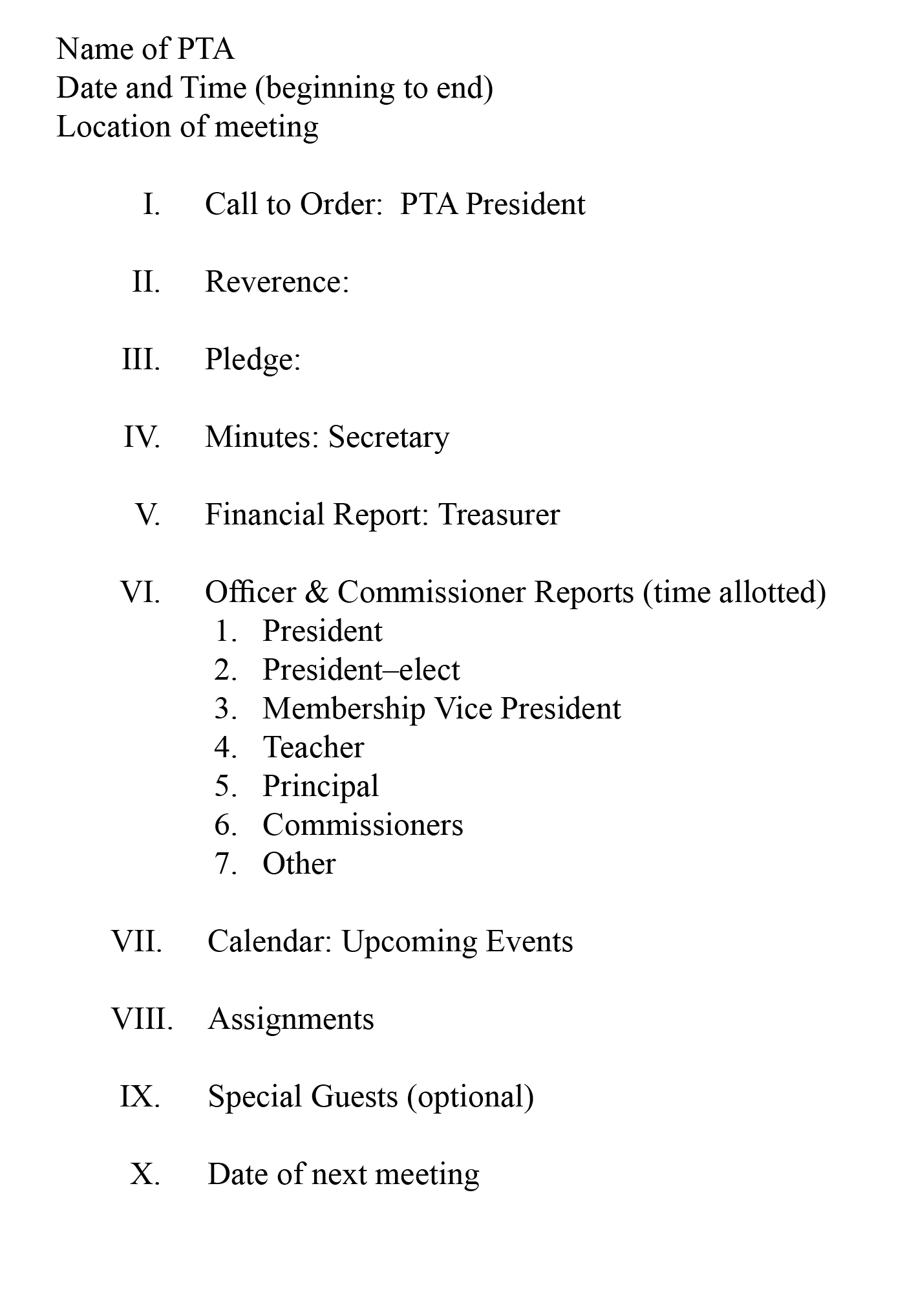
    1. Leading PTA Meetings

    One of the Chairperson’s most visible duties is running PTA meetings.

    Key responsibilities include:

    • Setting meeting dates and agendas
    • Chairing meetings in a fair and inclusive way
    • Keeping discussions on track
    • Ensuring all voices are heard
    • Summarising decisions and agreed actions

    Good Chairing keeps meetings productive, welcoming, and time-efficient.

    Role of a PTA Chairperson

    2. Supporting and Coordinating the Committee

    The Chairperson works closely with other officers such as the Secretary and Treasurer.

    They help by:

    • Encouraging participation from committee members
    • Delegating tasks clearly
    • Supporting new volunteers in their roles
    • Helping resolve issues or disagreements constructively

    A strong Chairperson builds a positive team culture rather than taking on everything themselves.


    3. Acting as the Main Point of Contact

    The Chairperson is often the primary link between the PTA and the school leadership.

    This may include:

    • Regular communication with the Principal or Headteacher
    • Discussing fundraising priorities and school needs
    • Representing the PTA at school meetings or events
    • Sharing key updates with parents and carers

    Clear communication helps ensure PTA efforts align with the school’s goals.


    4. Overseeing Fundraising Activities

    While the Chairperson doesn’t need to organise every fundraiser, they help provide direction.

    Their role may involve:

    This oversight helps avoid volunteer burnout and keeps fundraising sustainable.


    5. Ensuring Good Governance

    A Chairperson also plays an important role in ensuring the PTA is run properly.

    This includes:

    • Making sure the PTA follows its constitution
    • Ensuring decisions are agreed by the committee
    • Supporting transparent financial reporting
    • Encouraging fair and inclusive practices

    Good governance builds trust with parents, the school, and the wider community.


    6. Encouraging Parent Engagement

    One of the most valuable roles of a Chairperson is helping parents feel welcome and involved.

    This might include:

    • Promoting PTA activities clearly
    • Encouraging new volunteers
    • Creating an inclusive and friendly atmosphere
    • Helping parents understand how funds are used

    When parents feel valued, PTAs are more likely to thrive.


    Skills That Make a Great PTA Chairperson

    You don’t need professional management experience to be an effective Chairperson, but the following skills help:

    • Clear communication
    • Organisation and planning
    • Confidence in leading meetings
    • Ability to delegate
    • Fair decision-making
    • A positive, approachable attitude

    Most skills develop naturally with experience and support from the committee.


    How Long Is the Role?

    The length of time a Chairperson serves varies by PTA and constitution. Many PTAs rotate the role every one or two years to:

    • Share responsibility
    • Encourage new leadership
    • Prevent burnout

    Succession planning is an important part of a healthy PTA.


    Final Thoughts

    The role of the PTA Chairperson is about leadership, coordination, and encouragement, not doing everything alone. By supporting volunteers, working closely with the school, and keeping the PTA focused and inclusive, the Chairperson helps create a positive impact for pupils and the wider school community.