
Category: PTA School Fundraising

  • The Ultimate Guide to Planning Fundraising Events for Schools and PTAs

    The Ultimate Guide to Planning Fundraising Events for Schools and PTAs

    The Ultimate Guide to Planning Fundraising Events for Schools and PTAs. Most school fundraising events fall short because they miss one key ingredient: community engagement. When your PTA or school team gets everyone involved, fundraising turns from a chore into a celebration. This guide hands you practical fundraising tips and over 500 fresh fundraising ideas designed to energise your school community and deliver a successful fundraiser every time. Ready to make your next event truly unforgettable? Explore fundraising ideas here.

    Planning Successful Fundraising Events

    To kick off your fundraising journey, start with a solid plan. A clear roadmap ensures your event not only meets but exceeds your goals.

    Setting Clear Objectives

    Every successful fundraiser begins with a clear objective. What are you hoping to achieve? Whether it’s classroom supplies or a new playground, knowing your target is crucial. By defining your goals, you set a direction for everyone involved. This clarity helps in measuring progress and celebrating achievements. Keep your objectives visible and revisit them regularly to stay on track.

    Creating a Budget Plan

    A well-thought-out budget is your best friend. List out your expected expenses and potential income sources. Start with venue costs, marketing materials, and any permits you might need. Then, consider potential revenue from ticket sales or donations. Ensure you have a buffer for unexpected costs. Regularly updating your budget helps in avoiding financial surprises and keeps your event profitable.

    Building a Dedicated Team

    A dedicated team is vital for a smooth-running event. Gather volunteers who are enthusiastic and reliable. Assign roles based on strengths: some may excel at logistics, while others are great with people. Regular meetings ensure everyone is aligned and motivated. Remember, teamwork divides tasks and multiplies success.

    Creative Fundraising Ideas

    With your plan in place, it’s time to get creative. Unique ideas will capture attention and boost participation.

    Themed Event Suggestions

    Themes can transform ordinary events into memorable experiences. Consider a “Carnival Night” for fun and games, or a “Cultural Festival” to showcase diversity. Themes not only attract participants but also make planning easier by narrowing down decor and activity choices. Be sure to choose a theme that resonates with your community to maximise engagement.

    Engaging Activities for All Ages

    Ensure your event has something for everyone. For younger kids, consider face painting or a treasure hunt. Teens might enjoy a talent show or sports challenges, while adults could participate in silent auctions or wine tastings. Offering a variety of activities keeps everyone entertained and involved, increasing your chances of fundraising success.

    Encouraging School Community Involvement

    Community involvement is the secret sauce to a thriving fundraiser. Get everyone on board for maximum impact.

    Motivating Parents and Teachers

    Engage parents and teachers with clear communication and defined roles. Highlight the benefits of the fundraiser and how it directly impacts their children’s education. Regular updates and appreciation can keep morale high. Consider offering incentives, like a class party for the most active participants, to encourage involvement.

    Engaging Local Businesses and Sponsors

    Local businesses can be valuable allies. Reach out with a proposal showcasing mutual benefits. Businesses might donate goods or sponsor activities in exchange for advertising opportunities. This partnership not only boosts your resources but also strengthens community bonds. Building these relationships can lead to ongoing support for future events.

    😊

    By following these steps and incorporating creative ideas, your school fundraising event is set to be a memorable success. Remember, the key is community—when everyone participates, everyone benefits.

  • What Is the Role of the Chairperson in a PTA?

    The PTA Chairperson plays a central role in keeping a Parent–Teacher Association organised, effective, and focused on supporting the school. While the role doesn’t require doing everything, it does require leadership, coordination, and clear communication.

    This guide explains the key responsibilities of a PTA Chairperson, what makes the role effective, and how it supports the wider PTA team.

    https://www.greenvelope.com/blog/wp-content/uploads/PTA-meeting.jpg

    4


    What Does a PTA Chairperson Do?

    At a high level, the Chairperson:

    • Leads the PTA committee
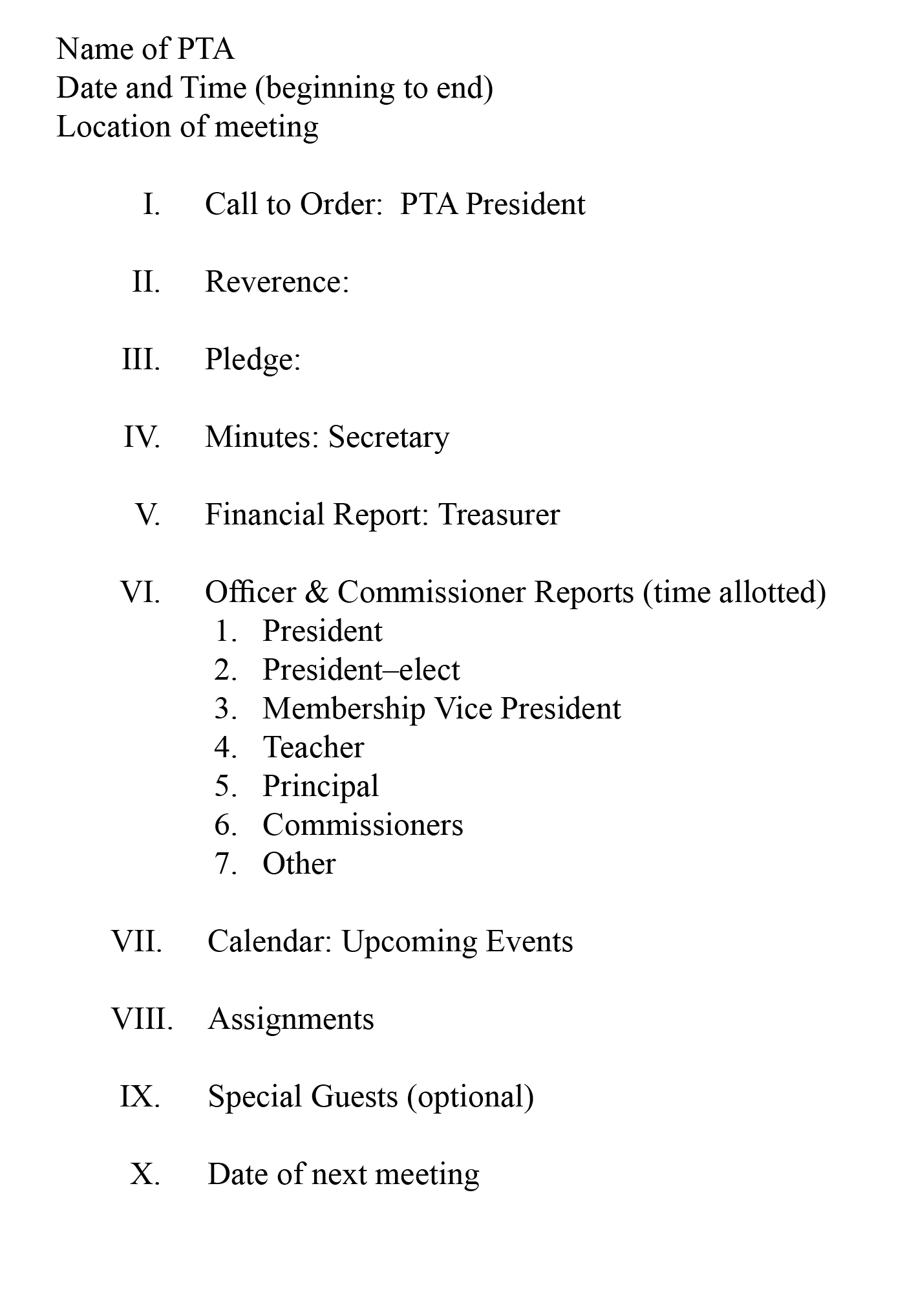
    • Chairs meetings and sets agendas
    • Acts as a link between the PTA and the school
    • Helps guide fundraising and community activities
    • Ensures the PTA operates fairly and effectively

    The Chairperson is not expected to run every event or manage all fundraising — their role is to enable others to succeed.


    1. Leading PTA Meetings

    One of the Chairperson’s most visible duties is running PTA meetings.

    Key responsibilities include:

    • Setting meeting dates and agendas
    • Chairing meetings in a fair and inclusive way
    • Keeping discussions on track
    • Ensuring all voices are heard
    • Summarising decisions and agreed actions

    Good Chairing keeps meetings productive, welcoming, and time-efficient.

    Role of a PTA Chairperson

    2. Supporting and Coordinating the Committee

    The Chairperson works closely with other officers such as the Secretary and Treasurer.

    They help by:

    • Encouraging participation from committee members
    • Delegating tasks clearly
    • Supporting new volunteers in their roles
    • Helping resolve issues or disagreements constructively

    A strong Chairperson builds a positive team culture rather than taking on everything themselves.


    3. Acting as the Main Point of Contact

    The Chairperson is often the primary link between the PTA and the school leadership.

    This may include:

    • Regular communication with the Principal or Headteacher
    • Discussing fundraising priorities and school needs
    • Representing the PTA at school meetings or events
    • Sharing key updates with parents and carers

    Clear communication helps ensure PTA efforts align with the school’s goals.


    4. Overseeing Fundraising Activities

    While the Chairperson doesn’t need to organise every fundraiser, they help provide direction.

    Their role may involve:

    This oversight helps avoid volunteer burnout and keeps fundraising sustainable.


    5. Ensuring Good Governance

    A Chairperson also plays an important role in ensuring the PTA is run properly.

    This includes:

    • Making sure the PTA follows its constitution
    • Ensuring decisions are agreed by the committee
    • Supporting transparent financial reporting
    • Encouraging fair and inclusive practices

    Good governance builds trust with parents, the school, and the wider community.


    6. Encouraging Parent Engagement

    One of the most valuable roles of a Chairperson is helping parents feel welcome and involved.

    This might include:

    • Promoting PTA activities clearly
    • Encouraging new volunteers
    • Creating an inclusive and friendly atmosphere
    • Helping parents understand how funds are used

    When parents feel valued, PTAs are more likely to thrive.


    Skills That Make a Great PTA Chairperson

    You don’t need professional management experience to be an effective Chairperson, but the following skills help:

    • Clear communication
    • Organisation and planning
    • Confidence in leading meetings
    • Ability to delegate
    • Fair decision-making
    • A positive, approachable attitude

    Most skills develop naturally with experience and support from the committee.


    How Long Is the Role?

    The length of time a Chairperson serves varies by PTA and constitution. Many PTAs rotate the role every one or two years to:

    • Share responsibility
    • Encourage new leadership
    • Prevent burnout

    Succession planning is an important part of a healthy PTA.


    Final Thoughts

    The role of the PTA Chairperson is about leadership, coordination, and encouragement, not doing everything alone. By supporting volunteers, working closely with the school, and keeping the PTA focused and inclusive, the Chairperson helps create a positive impact for pupils and the wider school community.

  • Fundraising Ideas for School PTAs

    Running a successful PTA fundraiser can feel like a balancing act — raising meaningful funds without overloading parents, pupils, or volunteers. The good news is that school PTA fundraising works best when ideas are simple, inclusive, and easy to promote.

    Below is a practical guide to fundraising ideas for School PTAs, with options for different budgets, time commitments, and age groups.


    What Makes a Great PTA Fundraiser?

    Before choosing an idea, it helps to think about what works best for school communities:

    • Low upfront cost
    • Easy for parents to understand and support
    • Inclusive for all pupils
    • Minimal admin for volunteers
    • Clear fundraising goal

    The most successful PTAs often mix one or two larger fundraisers each year with smaller, repeatable ideas.


    1. Non-Uniform Days (With a Twist)

    A classic PTA fundraiser that works well when refreshed.

    Ideas to boost results:

    • Theme days (Crazy Hair Day, Sports Kit Day, Pyjama Day)
    • Link donations to a visible goal (new playground equipment, books, trips)
    • Combine with a small add-on like a tuck shop or raffle

    Why it works:
    Quick to organise, inclusive, and guaranteed participation.


    2. Sponsored Challenges

    Sponsored events are ideal for involving pupils while keeping costs low.

    Popular PTA challenges include:

    • Sponsored walk or fun run
    • Reading challenge
    • Skip-a-thon
    • Dance-a-thon
    • Fitness circuits or obstacle courses

    Top tip:
    Keep sponsorship digital where possible to make it easier for families to share and collect donations.


    3. School Raffles & Prize Draws

    Raffles remain one of the highest-return PTA fundraisers.

    Ways to improve results:

    • Sell tickets online and offline
    • Ask local businesses to donate prizes
    • Promote winners and prizes in advance
    • Run several small raffles rather than one large one

    Best for:
    Quick fundraising with strong parent and community support.


    4. School Fairs & Family Fun Days

    PTA fairs work especially well as annual flagship events.

    Popular stalls and activities:

    • Tombola
    • Games (hook a duck, penalty shoot-out, splat the teacher)
    • Cake stalls
    • Face painting
    • Craft stations

    Why they’re effective:
    They raise funds and strengthen the school community.


    5. Bake Sales (Made Easier)

    Bake sales are simple but can be time-consuming if not planned well.

    Ways to modernise them:

    • Assign year groups to specific days
    • Set suggested price lists
    • Combine with coffee mornings or school events
    • Accept card or online payments

    Bonus:
    Perfect for short-notice fundraising.


    6. Guess-the-Competition Fundraisers

    These are ideal for corridors, receptions, or parent evenings.

    Examples include:

    • Guess the number of sweets in the jar
    • Guess the teddy’s name
    • Guess the teacher’s baby photo
    • Guess the score or outcome of a big sporting event

    Why PTAs love them:
    Low effort, low cost, and easy to repeat.


    7. Sponsored Community Events

    Think beyond the school gates.

    Examples:

    • Community walks
    • Sponsored cycles
    • Local fun runs
    • Family fitness days

    These work particularly well when promoted through WhatsApp groups, newsletters, and social media.


    8. Seasonal & Calendar-Based Fundraisers

    Timing matters. Some ideas work best at certain times of year:

    • Autumn: Sponsored walks, Halloween discos
    • Winter: Christmas fairs, raffles, card sales
    • Spring: Easter egg hunts, quiz nights
    • Summer: Sports days, family picnics, outdoor movie nights

    Planning ahead helps spread fundraising evenly across the school year.


    How to Choose the Right PTA Fundraiser

    Ask these simple questions:

    • How much do we realistically want to raise?
    • How much volunteer time is available?
    • Will parents understand and support it easily?
    • Can it be repeated next year?

    Often, the best strategy is a mix of digital and in-school fundraising rather than relying on one big event.


    Final Thoughts

    PTA fundraising doesn’t need to be complicated to be effective. The strongest results come from ideas that are simple, inclusive, and well-communicated.

    Whether you’re planning your first fundraiser or refreshing your annual calendar, choosing the right idea — and promoting it clearly — can make all the difference.