Running a successful PTA fundraiser can feel like a balancing act — raising meaningful funds without overloading parents, pupils, or volunteers. The good news is that school PTA fundraising works best when ideas are simple, inclusive, and easy to promote.
Below is a practical guide to fundraising ideas for School PTAs, with options for different budgets, time commitments, and age groups.
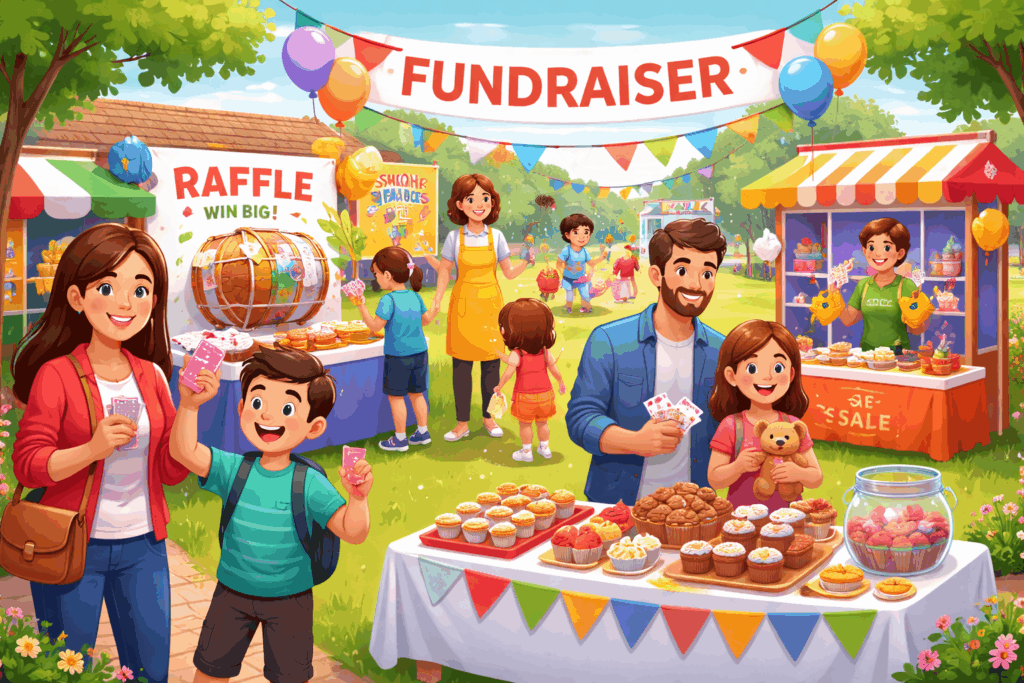
What Makes a Great PTA Fundraiser?
Before choosing an idea, it helps to think about what works best for school communities:
- Low upfront cost
- Easy for parents to understand and support
- Inclusive for all pupils
- Minimal admin for volunteers
- Clear fundraising goal
The most successful PTAs often mix one or two larger fundraisers each year with smaller, repeatable ideas.
1. Non-Uniform Days (With a Twist)
A classic PTA fundraiser that works well when refreshed.
Ideas to boost results:
- Theme days (Crazy Hair Day, Sports Kit Day, Pyjama Day)
- Link donations to a visible goal (new playground equipment, books, trips)
- Combine with a small add-on like a tuck shop or raffle
Why it works:
Quick to organise, inclusive, and guaranteed participation.
2. Sponsored Challenges
Sponsored events are ideal for involving pupils while keeping costs low.
Popular PTA challenges include:
- Sponsored walk or fun run
- Reading challenge
- Skip-a-thon
- Dance-a-thon
- Fitness circuits or obstacle courses
Top tip:
Keep sponsorship digital where possible to make it easier for families to share and collect donations.
3. School Raffles & Prize Draws
Raffles remain one of the highest-return PTA fundraisers.
Ways to improve results:
- Sell tickets online and offline
- Ask local businesses to donate prizes
- Promote winners and prizes in advance
- Run several small raffles rather than one large one
Best for:
Quick fundraising with strong parent and community support.
4. School Fairs & Family Fun Days
PTA fairs work especially well as annual flagship events.
Popular stalls and activities:
- Tombola
- Games (hook a duck, penalty shoot-out, splat the teacher)
- Cake stalls
- Face painting
- Craft stations
Why they’re effective:
They raise funds and strengthen the school community.
5. Bake Sales (Made Easier)
Bake sales are simple but can be time-consuming if not planned well.
Ways to modernise them:
- Assign year groups to specific days
- Set suggested price lists
- Combine with coffee mornings or school events
- Accept card or online payments
Bonus:
Perfect for short-notice fundraising.
6. Guess-the-Competition Fundraisers
These are ideal for corridors, receptions, or parent evenings.
Examples include:
- Guess the number of sweets in the jar
- Guess the teddy’s name
- Guess the teacher’s baby photo
- Guess the score or outcome of a big sporting event
Why PTAs love them:
Low effort, low cost, and easy to repeat.
7. Sponsored Community Events
Think beyond the school gates.
Examples:
- Community walks
- Sponsored cycles
- Local fun runs
- Family fitness days
These work particularly well when promoted through WhatsApp groups, newsletters, and social media.
8. Seasonal & Calendar-Based Fundraisers
Timing matters. Some ideas work best at certain times of year:
- Autumn: Sponsored walks, Halloween discos
- Winter: Christmas fairs, raffles, card sales
- Spring: Easter egg hunts, quiz nights
- Summer: Sports days, family picnics, outdoor movie nights
Planning ahead helps spread fundraising evenly across the school year.
How to Choose the Right PTA Fundraiser
Ask these simple questions:
- How much do we realistically want to raise?
- How much volunteer time is available?
- Will parents understand and support it easily?
- Can it be repeated next year?
Often, the best strategy is a mix of digital and in-school fundraising rather than relying on one big event.
Final Thoughts
PTA fundraising doesn’t need to be complicated to be effective. The strongest results come from ideas that are simple, inclusive, and well-communicated.
Whether you’re planning your first fundraiser or refreshing your annual calendar, choosing the right idea — and promoting it clearly — can make all the difference.